


“Just start”—those are the words I kept telling myself after wrestling with hesitation, unsure if I could do justice to such a deeply important topic. I feared my words might not be enough to capture the weight of what this moment means to so many, or worse, that they might diminish the significance of Cheslie Kryst’s story. But I knew I had to try, because what began as a personal project to honor her memory has now grown into something much bigger—something that hopefully resonates with her family, friends, peers, and those who worked alongside her. As well as mine.
On April 23rd, Cheslie Kryst and her mother, April Simpkins, opened the door for us to hear Cheslie’s story in her own words through the release of “By the Time You Read This: The Space Between Cheslie’s Smile and Mental Illness.” I only learned about the book a week before its release, which felt like more than coincidence. I had been thinking of ways to honor Cheslie through art for Mental Health Awareness Month when my wife mentioned seeing an interview of April Simpkins speaking about the book. The moment she told me, I immediately pre-ordered it, understanding the deep significance it would hold for me and countless others. Not to mention Cheslie ties to Charlotte and New York just reminded me of my time spent between the two places.
Reading the book took about a week and a half, and by the time I finished, I was overcome with the need to have real conversations about mental health—including my own struggles. June, being Mental Health Awareness Month, National PTSD Awareness Month, and the celebration of Juneteenth, seemed like the perfect time to release my reflections. But here we are on September 1st, start of Suicide Prevention month & I feel at peace with the delayed release. I was disappointed and stressing myself that I had yet to release and then I came across a quote toward the end of June: “Quality over deadlines.” I was able to appreciate that quote and attempt to apply that quote. I hope this piece lives up to that principle. Some of the writing style Cheslie used throughout the book I attempted to apply in this reading.
Please note, this article will include some spoilers for those who haven’t had the chance to read Cheslie’s book. Before diving into our conversation, inspired by this remarkable memoir, I want to first address some of the harshest reviews I’ve encountered. It might seem counterintuitive, but I believe in dismantling these criticisms because, ironically, many of them underscore the very points Cheslie’s book so beautifully conveys.
“I pre-ordered as I found myself so eager to try to understand. Why did she feel she was depressed and when was she diagnosed? When was her first ideation of suicide? What were the dynamics of her previous attempts? What ongoing measures did she take to give self-care since understanding she had such profound depression? After reading and listening to the audiobook, my questions are unanswered. Where Cheslie’s words end didn’t seem like an ending to a book. What is in the book seemed to me like most of our lives, with wins and losses, ups and downs. Certainly nothing stuck out to me that would have alerted me to any danger of anyone deciding to end their life…” This comment was quite mind-boggling to me that someone would come into someone’s memoir with expectations as if this was a sequel to a show they had been waiting to return.
“I’m not so sure there was a lesson learned. I thought this book would dive deep into this woman’s thoughts about mental illness & how she was consumed in depression while trying to make it all work, this book seemed more like a memoir rather than trying to help someone through their mental illness or give advice about it”
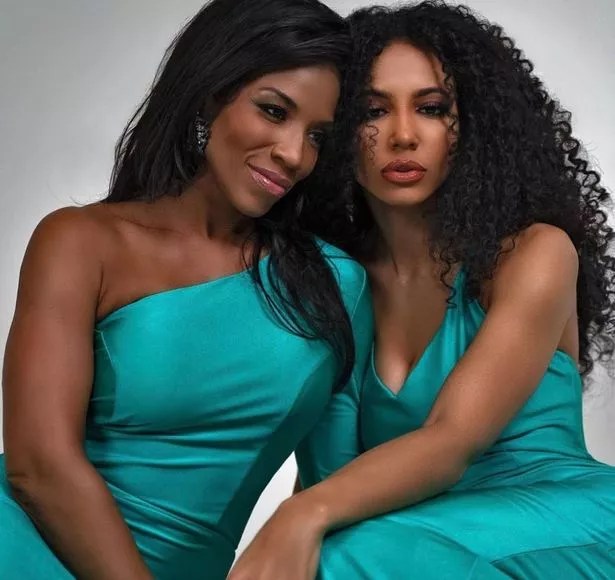
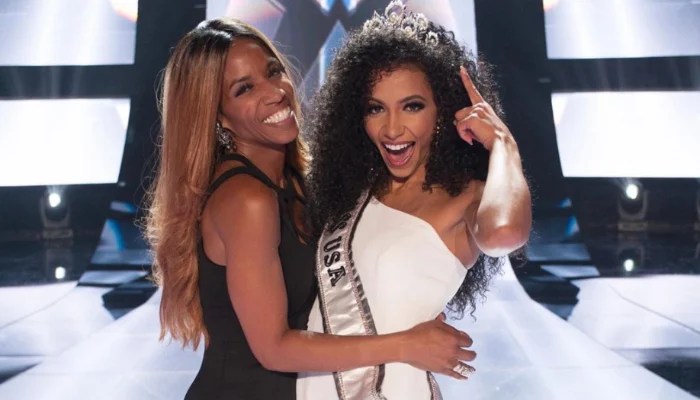
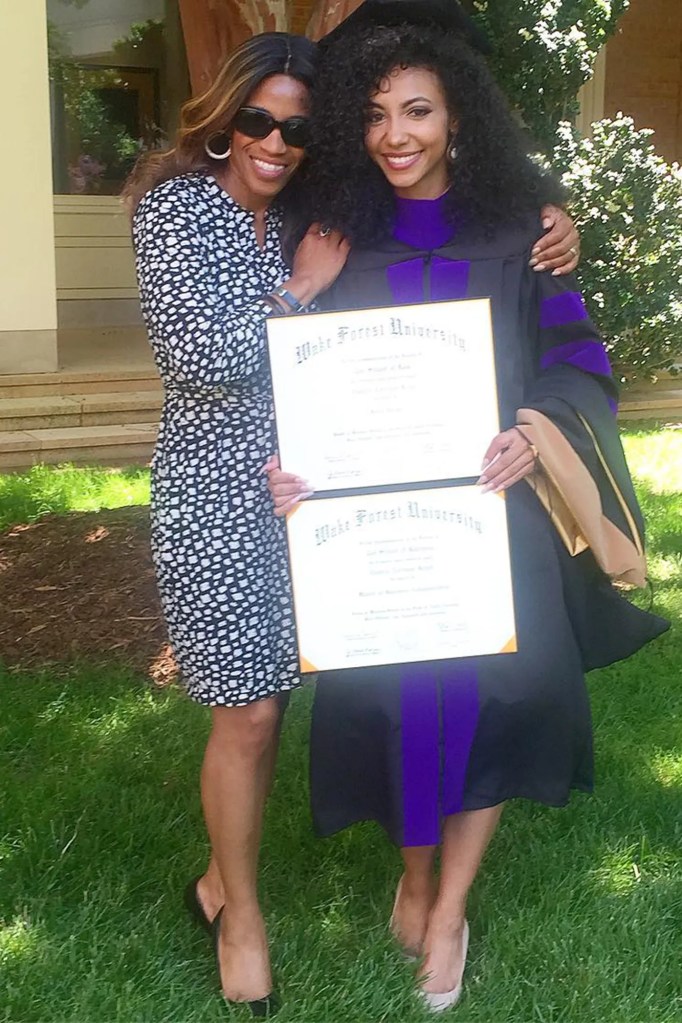
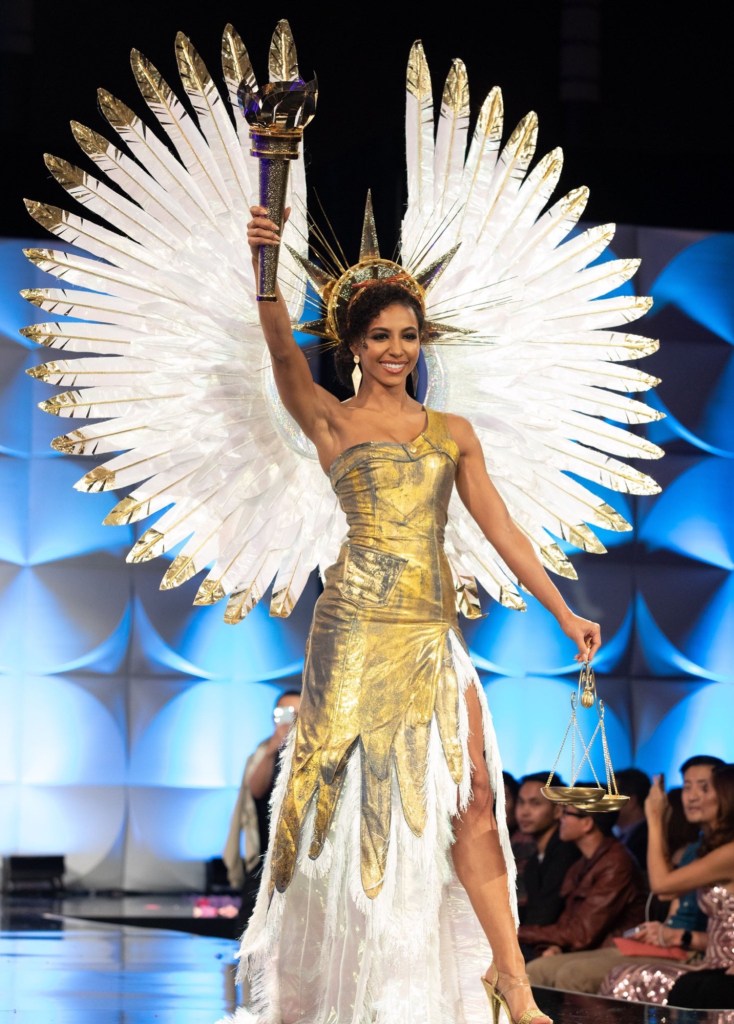
By the Time You Read This reveals Cheslie’s manuscript, chronicling her journey from the highest of highs—passing two bar exams, winning Miss USA, and launching a vibrant career as an entertainment journalist, fashion advocate/stylist/blogger and not to forget advocate for women, and all the racial problems—to the lowest of lows, wrestling with heartbreak, betrayal, and enduring persistent depression.
In Cheslie Kryst’s memoir, the portrayal of mental health struggles offers a deeply personal and authentic perspective that resonates profoundly with those who have faced similar challenges. I have explored this book through multiple lenses: as the victim, the parent, the sibling, and as an empathetic observer taking it all in. In each role, I’ve felt the story resonate deeply within me, imagining myself either telling this story and my experiences being substituted into its narrative tapestry. While the narrative may not provide explicit explanations or diagnostic insights into her feelings on specific days, it effectively communicates the emotional landscape she navigates. Kryst’s experiences are woven into the fabric of everyday moments. No one is exempt from the risk of suicide. A person’s accomplishments, wealth, or potential do not shield them from suicidal thoughts. Even academically talented high school and college students, exceptional athletes, skilled musicians, actors, and others who seem poised for success are not immune to mental health struggles. In fact, research shows that highly intelligent and driven individuals may be more susceptible to setbacks, which can trigger depression, suicidal ideation, and attempts. Moments marked by feelings of doubt, the undercurrent of success, and the pervasive and invasive impact of mental health issues, Cheslie’s battle with mental illness stains every page and chapter like a cup of red wine spilled on a white tablecloth. For readers who have grappled with similar struggles, these themes are not just narrated; they are palpably felt with rawness of her emotions, the uncertainty she faces, and the nuances of her journey are depicted with a clarity that eclipses any need for explicit detail or diagnosis. This approach invites readers into an empathetic understanding of Kryst’s world, illuminating the complexities of mental health through personal narrative rather than clinical exposition. As such, her memoir serves not only as a mirror for those who have experienced similar challenges but also as a testament to the power of storytelling in fostering empathy and connection.
I recently came across a heartbreaking video of a young Black girl, no older than four, calling herself ugly. Thankfully, her mother was right there to shower her with affirmations, reminding her of her beauty and worth. But it hit me hard—how early we begin to absorb negative self-perceptions and critique ourselves harshly. This moment also reminded me of a recent conversation on the pervasive impact of colorism and the importance of instilling strong racial identities in Black children. Although that subject alone could fill volumes, it’s clear how deep it runs. In the introduction of her book, Cheslie reflects on how her own pursuit of validation shaped her journey through the competitive world of beauty pageants. Like anyone else, she longed to be seen, to be heard, to feel valued—and this drive was integral to her path. In her memoir By the Time You Read This, Cheslie revealed deep and painful parts of her life, including her experiences with pageantry, mental health struggles, and the unrelenting pressure she felt from society’s expectations. A lot of people couldn’t understand how her pageantry journey connected to her mental health and ultimately, her tragic death. But pageantry wasn’t just a backdrop in her story—it was woven into her identity, her struggles, and her search for self-worth.
For me, reading about Cheslie’s pageantry journey was not just a random part of her story. It struck a chord because it was in those details—the relentless drive, the insecurities fueled by public scrutiny, and the isolation that sometimes comes with being in the spotlight—where I found pieces of my own journey. Cheslie had what you would call high-functioning depression, or “smiling depression”—where someone appears outwardly successful and put-together, while internally they’re battling deep emotional pain. (I did not relate to this because I have low-functioning depression, where emotions make it hard to even do daily tasks.) Still, I related to Cheslie not because I’ve experienced pageantry, but because it mirrored my own feelings on the basketball court: the pressure to perform, the weight of public opinion. Currently, being diagnosed with anxiety and realizing how I feel during my anxious moments is how I would feel on the court. I now see that my therapy should have started much earlier in my life.
In a world that constantly challenges our confidence, celebrating our victories—no matter how small—can feel daunting. The pressure to always think ahead leads us to say, “Now I need to achieve this” or “Now I must accomplish that.” Cheslie’s story in this book serves as a poignant reminder that our worth and how we value others should not hinge solely on our achievements, but on who we are. It’s easy to lose sight of our self-worth in a world that often encourages us to devalue ourselves or compare ourselves.
Alot of times dealing with depression can be so confusing. Because it’s constant thoughts of “Why am I sad” or even feeling ungrateful for feeling the way you do. I think some people were ‘disappointed’ with the book because they were expecting a traumatic event to happen that lead to Cheslie decision, but that is not always the case in reality. Depression can be long periods of little moments chipping away at your confidence to overcome the thoughts in your head. Sidenote, that is why I despise shows like 13 Reasons Why. Shows like 13 Reasons Why often provide a skewed portrayal of suicide and mental health issues by focusing more on dramatization than offering a nuanced understanding of the complexities involved. One misconception is the over-simplification of causes, where the show presents a narrative in which specific events or individuals directly “cause” suicide. In reality, mental health struggles are often a result of a complex interplay of factors such as depression, trauma, biological predispositions, and external stressors, not just isolated incidents. The show risks romanticizing suicide by portraying it as a form of retribution or a way to gain attention, inadvertently glamorizing the act. This can be particularly dangerous for impressionable viewers, as it may suggest that suicide is a way to make others feel guilty or sorry.
In addition, 13 Reasons Why lacks a focus on the mental health struggles that often lead to such decisions, emphasizing the events leading up to the suicide rather than addressing the importance of seeking help through therapy, medication, or other support systems. It also misses the opportunity to highlight recovery or hope, centering more on tragedy than on the potential for healing and improvement. This can leave viewers with the false impression that suicide is an inevitable outcome, rather than underscoring the possibility of recovery. Finally, the graphic depictions of suicide and assault in the show can be extremely triggering for vulnerable viewers, especially without offering sufficient guidance on coping strategies or where to seek help. Instead of fostering understanding or support, the content can sometimes make viewers feel worse. Shows about mental health should focus on promoting the idea that, while it may feel difficult, there is always hope for tomorrow, and reaching out for help can lead to healing. This is why, This is Us is a show I can love without regret. This Is Us offers a more realistic and empathetic portrayal of mental health, anxiety, and everyday struggles by focusing on the complexities of each character’s emotional journey. The show emphasizes the importance of therapy, open communication, and familial support in managing mental health issues. Rather than dramatizing or oversimplifying these topics, it portrays anxiety, depression, and trauma as ongoing challenges that require care and understanding. By showing how characters navigate their mental health struggles in a relatable and compassionate way, This Is Us highlights the importance of seeking help and the possibility of growth and healing over time.
Shoutout to all the amazing actors in the show, that synopsis was based on the shows story and not the talent of the show. I appreciate them all for being willing to play in such a deep emotion demanding show.
What pageantry was to Cheslie, basketball was to me. Listening to Cheslie recount the night she was crowned Miss USA felt incredibly familiar—not because I’ve experienced pageantry, but because I recognized in her story the same emotions I felt on the basketball court. Stay with me for a moment, and you’ll see why the details of Cheslie’s pageantry journey weren’t just a side note; they were a pivotal part of her life, deeply intertwined with her mental health. Now, let’s dive into how basketball, pageantry, and mental health struggles are connected in ways you might not expect.
At first glance, basketball and pageantry seem worlds apart. Yet, both demand a level of precision, poise, and resilience that only those who’ve battled through can understand. In basketball, the court is a stage where each dribble is scrutinized, every move a performance. The ball, like the crown in pageantry, is the ultimate prize, and success hinges on the ability to remain composed under immense pressure. Just as a pageant contestant must captivate the judges, a player must read the defense, make split-second decisions, and execute with grace. Both realms require not only skill but an unwavering sense of self amidst the competition. Like Cheslie Kryst’s battle in the spotlight, the mental toll of striving for perfection in either arena is undeniable—each performance becomes a test of endurance, not just against others, but against the inner demons that can accompany the pressure to succeed.
Now let’s narrow the focus to basketball playoffs and pageantry, because the pressure of a competition mirrors the mental health journey in many ways.
In this analogy, the basketball playoffs are like the journey to mental wellness, where each round represents the challenges you face, and your opponent represents your triggers. In both basketball and mental health, it’s essential to study and understand your opposition, learning how your challenges present themselves and devising a game plan to overcome them. The goal isn’t just to survive; it’s about consistently applying what you’ve learned, making adjustments, and advancing.
Like a 7-game playoff series, mental health demands consistency. You can’t overlook any opponent—each trigger requires your full attention. Even if you lose a game or two, or even three, there’s still time to regroup, make adjustments, and come back stronger. The playoffs, much like mental health, teach us that setbacks are part of the process. As you progress, the competition gets tougher, just as your triggers may become more complex and challenging as you move forward in your healing journey.
Throughout this process, you’ll experience highs and lows. There will be days when everything clicks, when you feel unstoppable, and others where you’re struggling just to keep up. Injuries, fatigue, and frustration are part of the playoffs and mental health alike. Yet, there are also moments of clarity and resilience—moments when you can see the path forward clearly.
Attention to detail is crucial in both journeys. In the playoffs, the smallest adjustments—whether it’s refining your defensive strategy or perfecting your execution—can make the difference between winning and losing. Similarly, managing your mental health requires mindfulness. It’s about recognizing subtle changes in your mood, identifying your triggers, and paying attention to the coping strategies that work best for you. Success, in either case, often comes down to mastering the little things.
Ultimately, just as the playoffs are about reaching the championship, the goal in mental health is that breakthrough moment. The journey is long and filled with ups and downs, but the focus should always remain on the next day, the next game. The end goal is healing, and each step brings you closer. Just know you won’t heal without a good diet.
In both basketball and pageantry, diet is everything. Athletes and contestants alike need the right fuel—physically and mentally—to perform at their best. Whether it’s executing plays on the court or walking with confidence on the stage, what we consume—our food, thoughts, and emotions—affects how we show up. The same is true for mental health. Just like poor nutrition can hinder an athlete’s performance or a contestant’s poise, negative thoughts and toxic energy can weigh us down mentally and emotionally.
Big Sean captured this struggle when he said, ‘Damn, I realize all my setbacks were inside of me / In high school I learned chemistry, biology / But not how to cope with anxiety…’ We’re often taught everything except how to deal with the weight of anxiety, self-doubt, and depression. In both pageantry and basketball, the pressure to perform can feel overwhelming, much like the mental health battles we face. When he followed up with, ‘I ain’t think I had the thought of suicide in me / Until life showed me all these different sides of me,’ it reminded me of how life can reveal hidden struggles—ones we didn’t know were there until we were right in the middle of them.
In both pageantry and basketball, the ‘diet’ you choose, mentally and emotionally, is as important as your physical training. Whether it’s maintaining your mental stamina during a competition or staying strong during a rough patch in life, what you feed your mind and heart matters. Positive self-talk, resilience, and processing setbacks are part of that essential mental diet—because, just like in sports or on stage, overcoming those internal battles is how you thrive.
Now, why does this matter when talking about Cheslie and pageantry? Many wondered why Cheslie included so much of her pageantry experience in her memoir. To fully understand her mental health struggles, it’s vital to realize that pageantry wasn’t just a chapter in her life—it was a lens through which she viewed her self-worth and resilience. The spotlight, the constant pursuit of perfection, and the pressure of external validation were all deeply intertwined with her mental well-being.
In this analogy, the process of preparing for a pageant represents the mental health journey. Just like basketball, pageantry requires consistency and attention to detail. Each round of competition is like facing a new challenge, and your opponent is, once again, your triggers. Preparation is everything, and just as a contestant must learn the expectations of the judges, you must learn to recognize and anticipate the hurdles in your mental health journey.
Even when you stumble during a competition, there’s always a chance to pick yourself up, adjust, and come back stronger. Setbacks in pageantry, like in mental health, are part of the process, not the end of the road. In both cases, the further you progress, the more competitive and challenging the journey becomes.
There are moments in both pageantry and mental health when you feel poised and confident, and others where you’re exhausted, frustrated, and unsure of yourself. But through it all, there are also breakthrough moments, when everything aligns, and you find your inner strength and purpose.
Attention to detail in pageantry—perfecting your wardrobe, walk, and presentation—mirrors the attention required for mental health. Overlooking a small detail in either could mean missing a key part of your progress. Both journeys require an understanding that setbacks are inevitable, but they don’t define the entirety of your path.
And then, there’s the smile after a loss. In pageantry, even when you don’t win the crown, you’re expected to smile gracefully, hold your head high, and show that you can maintain composure. That smile, while it may hide disappointment or frustration, represents resilience and the understanding that one loss doesn’t define your journey.
Similarly, in mental health, there will be days when things don’t go as planned—when your triggers seem overwhelming, or when you feel like you’ve lost ground. It’s in those moments that you need to “smile”—not to mask your pain, but to remind yourself that this setback is just one step in a much longer journey. Smiling after a loss is an act of self-empowerment, a way of reminding yourself that while this moment might hurt, it doesn’t define you.
Both in pageantry and mental health, smiling after a setback is about more than grace—it’s about hope. It’s knowing that more opportunities lie ahead, more good days are coming, and more chances to find your crown—your breakthrough.
Cheslie once wrote, “Turning 30 feels like a cold reminder that I am running out of time to matter in society’s eyes.” This statement was gut-wrenching. First, because it echoed how I felt once basketball was leaving my life, and I felt lost. I had dedicated so much of my life to basketball—even overcoming a year in a wheelchair—only to feel shortchanged by the way my journey ended. Second, because it hits hard, especially in a world where people reaching milestones—especially Black women—feel their worth being questioned. Cheslie, a former Miss USA, had to delete hateful comments about her appearance, like being told she wasn’t pretty enough or that her muscular build wasn’t feminine. The issue wasn’t that she turned 30 or wasn’t “worthy”—it was that she had to endure this hate simply because she was a Black woman succeeding in a predominantly white space. It’s infuriating to realize that the people who made those comments likely never thought twice about the damage they caused, while that damage clung to Cheslie for years.
One of my favorite popular sayings today is “go touch grass,” because it’s funny but also because people who post these kinds of comments are so unaligned with themselves and nature that they truly need to touch grass. These people lack self-love, so we can’t expect them to spread love to others.
That’s the toxic environment we live in. We become so obsessed with “what’s next”—the next milestone, the next achievement—that we don’t take time to breathe and celebrate our accomplishments or even our journey’s. This world makes it hard to simply be, and that’s part of why Cheslie’s story is so important. It’s a reminder that our worth cannot be defined by external accomplishments or arbitrary timelines. “Cheslie accomplished an incredible amount in her life—her achievements were nothing short of remarkable. An MBA-having, Miss USA lawyer who could outrun you, out-sing you, play the piano, and give a great interview with ease—that’s truly amazing! But what her story also teaches us is the importance of embracing stillness, finding peace in quiet moments, and understanding that self-love comes from within. As Lisa Marie said, ‘Self-love is not leaning on another individual to fill in the inadequacies or deficiencies that you have with yourself. Self-love is a requirement, not an option.’“
In reflecting on my own journey, I think back to the moments when I tried to run from my thoughts. If you don’t care to hear my personal story, don’t stop reading. Skip a little.
If you’re taking the time to read this, I want to offer some transparency about a key part of my trauma—a piece of my past that I now recognize as a significant contributor to my struggles with mental health. My high school basketball experience still lingers with me today. Trauma? Maybe. Or is it PTSD? I’m not entirely sure what label to give it, but I do know that it left a lasting impact on me. Through therapy, self-reflection and I finally came to terms with how deeply it affected my mental state.
It took time to realize this, but in therapy, it all came to light. Now, I know some people may wonder why something from high school still lingers, but here’s the thing—it’s not just about basketball. It’s about validation, effort, and the pain of being overlooked. One of my best friends was the star player. He was THE guy—the one who’d drop efficient 30–40-point games like it were nothing. He even threw in a 50-point game, he was really in his bag! And I was genuinely happy for him; he’s still one of the best people I know, and I saw the work he put in daily. He deserved every second of it. But that’s where my struggles began. I was in the gym with him about 80-90% of the time, putting in the work, hustling, grinding—but it never seemed to matter to our coach. I never got my chance.
No matter how well I played in practice or how many hours I put in after everyone else left, I sat on the bench. Every game, I was filled with an intense feeling of pressure—like my heart was about to explode. The weight on my chest was so heavy that when I did get in, I couldn’t play my game. My confidence was shot. Looking back, I realize I was dealing with anxiety, but I had no idea what it was at the time. I just knew I couldn’t breathe right on the court, always waiting for a moment that never came.
And sure, I understand the politics of high school sports. Coaches have their favorites. But our team wasn’t even winning enough to justify keeping me on the bench. What made it harder was that my chance to shine had already been delayed. Two years prior, in eighth grade, I’d missed an entire season because of a football injury that left me wheelchair-bound for a year and a half. I had to relearn how to walk. It was the same injury that ended Bo Jackson’s career. So, yeah, I knew what it was like to fight my way back. That year, the “Cat Daddy” dance was popular, and of course, my peers made jokes about my situation. Not with ill intentions, but at the time, I didn’t realize how much those jokes affected me.
By the time I recovered and got to high school, I needed shoulder surgery but held off until after my junior year basketball season. When I finally got the surgery done, the new coach had already settled on his favorites during summer league, and I wasn’t part of that group. By the time my junior year came around, I was hungry to prove myself. We were in the playoffs, playing against the Freedom Patriots—always a big game for me because I had family and friends in the area. I kept telling myself my moment was coming, that I just had to stay patient. During that playoff game, our starters began to foul out or get injured, and I got my shot. I stepped in, scored two quick buckets, and dished out an assist. Freedom called a timeout, and our coach complimented my plays.
Fast forward to junior year, and we’re in the playoffs against Freedom High. For me, this game was special because I had family in that area. I remember looking into the stands and seeing so many familiar faces. I thought, “This is it, my moment’s coming.” I’d been told my whole life, “Be patient. Work hard. Your time will come.”
I held no jealousy toward my teammates; I genuinely wanted them to succeed. But I also knew I was outperforming them in practice. During that playoff game, our starters began to foul out or get injured, and I got my shot. I stepped in, scored two quick buckets, and dished out an assist. During the timeout, the coach complimented my plays. I was both happy and frustrated. Happy to just be playing basketball, but angry because I knew I could’ve been doing this all along. We ended up losing that game, and my opportunity to share the court with my best friend and my brother was gone. It wasn’t just about the playing time; it was about the fact that I had worked so hard to get there. I pushed through physical injuries, trained endlessly, and still found myself sidelined. It was the first time I started to feel that deep sense of being undervalued, and it hit me hard. I was always told that if I worked hard, stayed patient, and supported others, my moment would come. But that moment never came, and it left me questioning everything—my abilities, my worth, my purpose.
One song lyric that I lived by during that time was, “Dreamchaser keep chasing, grind gonna turn into shine, be patient.” I remember repeating this song over and over again and when I was not listening to the song, I was running the lyrics back in my head
That summer, I worked harder than ever, gearing up for my senior year. The players ahead of me had graduated, and I knew the door was wide open for me to step up. I even attended the Phenom Hoop 100 Prep Camp, where I performed well enough to receive much-needed feedback about my instincts, IQ, and impact on both ends of the floor. My confidence soared. My peers occasionally called me “Rondo,” partly because I admired Rajon Rondo’s game, but also because I had modeled parts of my playstyle after my favorites—Rondo, Wade, A.I., CP3, and Jamal Crawford. Although Jamal’s moves weren’t quite in my bag, I admired the impact he made coming off the bench.
It felt like I was getting back to where I belonged. I was eager for senior year to start. I had even been a part of recruiting two guys to transfer to our school, players I knew would make our team stronger contenders for the state championship. The talent was there, the chemistry was there. We had been playing together for years. We would essentially have our AAU team on the high school team, plus some new players who played my position. They didn’t come off as a threat to me because I knew we offered different things to the team. Also, I really wanted a ring.
But that’s not where my story ends. Football, which I had given up after a career-threatening injury in 8th grade, suddenly became my outlet. Despite doctors telling me I’d never play again, I suited up for my senior year. This felt like a huge achievement for me. Yet, part of me was sad once I started playing because I was a year late and missed the chance to play with my brother, who I must say was a dog. I would’ve loved to share the field with him. I remember my first day of contact drills, my body yearning for the physicality I’d missed all those years. When we ran the Oklahoma drill, my brother’s reputation as a headhunter was about to become mine—this was my element. I loved hitting! Our senior year football game against Freedom High felt symbolic. Not only was it a rivalry matchup, but I was playing against BJ Emmons, a childhood friend and an Alabama commit. It was a bittersweet moment, realizing how far we’d all come. The team’s season didn’t go as well as I had hoped, but I was out there. I was back on the field, fulfilling a goal I thought was lost to me forever. I’ll never forget what it meant to be back in the game.
I had just finished a football season where I returned to the field, despite being told in 8th grade that I would never play again. So, you have to imagine I felt strong, I felt ready. I was back on the basketball court with a new level of confidence. I thought this was my time, especially with the main guards ahead of me having graduated. But then, my coach—who I now recognize as a trigger for my anxiety—shattered everything.
During tryouts, it was as if all the confidence I’d built disappeared. The confidence I had built crumbled under his watchful eyes, and I performed below my ability. The pressure of proving him wrong made me lose touch with my game. His low expectations for me became a weight I couldn’t shake. I got so in my head, so dysregulated, that I left practice early one day. By the end of tryouts, he cut me. I’d played basketball my whole life, and I had never been cut, dismissed, or told I wasn’t good enough. All that work, all those hours spent proving my worth, and in an instant, it felt like it meant nothing. The guys I had been playing with since AAU, even the ones I’d recruited to join our team, were moving on without me. I thought someone would stand up and say, “Coach, you’re bugging on this choice,” but that moment never came.
And that’s when I learned one of life’s harshest lessons: life goes on—with or without you.
That cut wasn’t just a basketball decision—it felt like a dismissal of everything I’d worked for. The guys I had helped recruit, the guys I’d played AAU with for years, were moving on without me. I was devastated. The opportunity to transfer was on the table, but I chose not to. I stayed because of my girlfriend at the time, who was a cheerleader at the school. And just like that, basketball was over for me. Not in the way I had envisioned, not raising a championship but instead watching from the sidelines.
This experience left me deeply questioning myself. It triggered the start of my battles with self-worth, depression, and anxiety. Cheslie Kryst’s story resonates with me because she, too, struggled with the weight of not feeling enough, despite all she accomplished. Which also felt like I was reading about my wife Ahmani. Much like Cheslie Kryst, who pursued validation in pageantry, I sought it in basketball. We both poured ourselves into something, hoping it would prove our value. When that validation didn’t come, the emotional toll was devastating. Trying to meet the expectations of others while losing touch with myself, another feeling that was a familiar topic with my wife. The pressures we face, both external and internal, shape us in ways we don’t always understand until later in life.
I’ve come to realize that my mental health and need for meaningful connections have been in constant conflict, like a seesaw battle. Building and maintaining relationships—and feeling truly loved and cherished as a friend—has been rare for me. Even now, I find it difficult to cut ties with people because the few connections I’ve formed feel so precious. There’s this strange sense of obligation I carry, whether it’s giving my time, conversation, support, or compliments.
Kobe Bryant once said, “Emotions come and go; it’s important to accept them all, embrace them all. Then you can choose to do with them what you want instead of being controlled by emotion.” It took me time to understand that running from my emotions wasn’t the answer. Stillness was the answer. It’s in those quiet moments when I allowed myself to feel that I found peace and every time that is where I can always find it.
The weight of loss has also been a heavy part of my mental health journey. The first-time suicide was exposed to me in real life was in high school. My high school sweetheart’s cousin’s boyfriend—whom I had only met maybe 2-3 times—died by suicide. Their energy together was beautiful. His energy alone was dope, and from the times I met him, I perceived him as a happy, settled spirit. That made me have so many questions about the human mind and my mental health. Later, during a low period of my life, I remember being at work at my first and last warehouse job—one I was terrible at—and hearing from my friend that our friend Janarion was killed. The world became darker for me. The guilt gnawed at me—had I done enough as a friend? Could I have prevented him from being in that situation? Why couldn’t I be the friend who reached out more and hung out more? I couldn’t even bring myself to speak to his family at the gym or any public setting because the pain was too much. I still can’t. To quote Kendrick Lamar, “This resentment grew into a deep depression,” and with it came survivors’ guilt. My self-hate grew to a a level of self-the so deep I would avoid mirrors because I couldn’t stand to look at myself. I hated what I saw. I hated everything about myself. Life felt so much like burden for me that I would wake up crying, it felt like a punishment to have to live another day in my body. It felt like the most high hated me so much. I felt like burden to everyone around me.
I reached a point where I couldn’t carry the pain in silence any longer—nor did I want to. One day, I broke through the darkness. I posted about my struggles on Instagram, not for attention but because I needed to release the pain I’d been holding inside. I was drowning and was finally ready to throw myself a lifeline.
That pain was burning a hole in my soul. My girlfriend at the time thought I was being dramatic, but it wasn’t about seeking sympathy. It was about freeing myself from the burden of pretending everything was fine. I realized that I had lost my self-respect, and I was embarrassed by the person I had become. But in acknowledging that low point, I began the journey toward healing.

In the movie I Am Legend, Robert’s encounter with the mannequin, “Fred,” on the bridge serves as a powerful symbol of his psychological isolation and deteriorating mental state. The mannequin, once a familiar object used to simulate human interaction, becomes a source of confusion and fear when it appears out of place. This moment reflects Robert’s struggle to maintain a grasp on reality amidst overwhelming solitude. His frantic reaction to Fred’s unexpected presence underscores the profound impact that isolation and mental anguish can have on one’s perception.
Cheslie Kryst’s journey resonates with this portrayal of isolation and mental struggle. Like Robert, Cheslie navigated a world where her achievements were overshadowed by the internal battles she faced. Her experiences in predominantly white spaces, where she often felt scrutinized or out of place, mirror Robert’s confrontation with the mannequin. The subtle microaggressions and feeling of being constantly observed took a toll on her mental health, much like Robert’s paranoia about Fred.
In my own life, I’ve faced similar challenges. My mental health journey has often felt like a solitary struggle, where I created illusions of normalcy to cope, akin to Robert’s use of mannequins to simulate human connection. I adapted unhealthy habits and clung to familiar routines, which often distracted from deeper issues within. The revelation of the impact of these habits on my relationships and self-perception is a reflection of Robert’s realization that his isolation has led to a disconnection from reality.
The pivotal moment in I Am Legend, where Robert realizes that Fred might have been used as bait or that he may have set the trap himself, symbolizes a crucial turning point. It is a moment of confronting the possibility that his internal struggles have distorted his sense of reality. For Cheslie, my outsider opinion would say this realization came through acknowledging the emotional toll of her achievements and relationships. For me, it involved recognizing how my internal battles affected my relationships and personal growth.
The darkness that Robert faces in the film is not just a literal threat but a manifestation of his internal fears and doubts.
For me this scene from I Am Legend serves as a powerful metaphor for the internal struggles faced by so many of us. It highlights the profound effects of isolation and mental health challenges, emphasizing the importance of empathy, support, and self-awareness in navigating these battles. Just as Robert’s interaction with Fred symbolizes a deeper struggle, Cheslie’s and my journeys underscore the need to address internal challenges and seek meaningful connections to overcome the darkness within.
I’ve come to realize that my mental health and need for meaningful connections have long been in conflict, like a seesaw battle. Building and maintaining relationships—feeling truly loved and cherished as a friend—has been rare for me. Even now, I struggle to cut ties with people because the few connections I’ve made feel so precious. I carry an unwarranted sense of obligation—whether it’s giving my time, conversation, support, or compliments.
At first glance, offering kindness and support seems positive. But over time, these acts have become burdens to my personal growth and, in turn, to my marriage. I’ve felt responsible for nurturing relationships that no longer serve our happiness, often at the cost of my own well-being. It has led to disputes because I fear losing the few connections I’ve held onto, even if they weigh me down. This fear ties into my struggle with self-sabotage—engaging in actions that undermine my success and well-being, driven by feelings of low self-worth and unresolved emotions. Through therapy, I’ve begun to untangle these threads, but I recognize the complexity of this battle.
The delicate balance between fostering relationships and maintaining healthy boundaries is crucial for my growth. While connections, especially those rooted in family, provide essential emotional support, it’s important to recognize when they begin to hinder progress. Letting go of relationships that no longer align with my journey isn’t a sign of failure; rather, it’s a necessary step in my healing process. I’m learning to embrace the discomfort of change and prioritize my mental health, my marriage, and my well-being, even when it means distancing myself from people I once thought I’d never drift from. The challenge lies in reconciling my desire for connection with the need for self-preservation and growth, all without misrepresenting my marriage in the process.
These realizations are unfolding as I write, and I know this is an area where I’m still held back so please don’t feel like I have it all figured out. The notion that change takes just 21 days to form a habit does a disservice to those dealing with mental health struggles. Mental health challenges involve deep-rooted issues that complicate the process of forming new habits. Real change requires addressing emotional and psychological barriers Relapses and setbacks are part of the journey, and meaningful progress is a nuanced, ongoing process—not something that can be reduced to a simple timeline.
When moments of clarity come—when you’re ready to face the heavy thoughts that have held you back—you have to seize them. That’s your strength, your window of opportunity. In those moments, it’s vital to speak your truth unapologetically. Healing is deeply personal, and no one else has the right to dictate the pace of your journey or the pride you take in your growth. Like Cheslie’s story, even in our darkest moments, there is strength in owning your experiences, acknowledging your pain, and finding ways to heal.
Today, I’m still working through it all, and I recognize that healing isn’t linear. It’s a marathon—it’s a marathon that demands confronting old wounds, regardless of their age. Whether through basketball, pageantry, or life itself, we all encounter moments of feeling unseen. Just as with changing relationships—be they with siblings, friends, or others—the key is to persist and move forward, even when familiar faces shift or drift away. What truly matters is our resilience, continuing on even when the world seems to move on without us. Cheslie’s story exemplifies that strength can emerge from struggle, and healing involves finding the courage to keep going despite the challenges.
The truth is, we all fear failure, uncertainty, and what tomorrow might bring. But the power of tomorrow is in its promise. It’s a promise that better days are ahead, and that no matter how heavy today’s burden feels, tomorrow offers a chance for healing. No matter how unbearable today feels, we have to hold onto the hope that tomorrow can be better. Tomorrow holds the promise of better days, of healing, and of rediscovering our strength. The power of tomorrow is in knowing that the fight is worth it, one day at a time because there will be a day when the fire in our hearts reignites—a fire fueled not by pain, but by passion and resilience. I know that because of this chapter in my life, I’ll be dealing with narcolepsy for the rest of my days. Depression has left a long-term mark on me, and I’m aware of my ongoing struggles.
“I was reading a book, and one quote really stuck with me: ‘At such times, we may feel too paralyzed to recreate ourselves… Only when we separate the internal from the external do we realize that who we are internally can continue to adjust… In fact, we flourish despite our external situation. It is only when we fully embrace the power of pain as a portal for transformation.’
Give yourself grace. Life is tough, and it’s okay to make mistakes or not have all the answers. It’s okay to not be okay. To my fellow ADOS, I understand the immense pressure you face—the desire to truly live, not just survive. We carry the weight of generational emotional and financial debt and the constant need to prove our worth, feeling like we’re in a tug-of-war with the world. Some days, it feels like the darkness hides the light entirely.
But let me reassure you—seek therapy. Cast aside the stigmas and misconceptions; therapy can profoundly transform your life. It may unearth old wounds, but it will also offer a path to healing. Healing isn’t a linear journey. Much like the shifting dynamics of relationships, the crucial part is to keep moving forward, even as familiar faces and circumstances evolve.
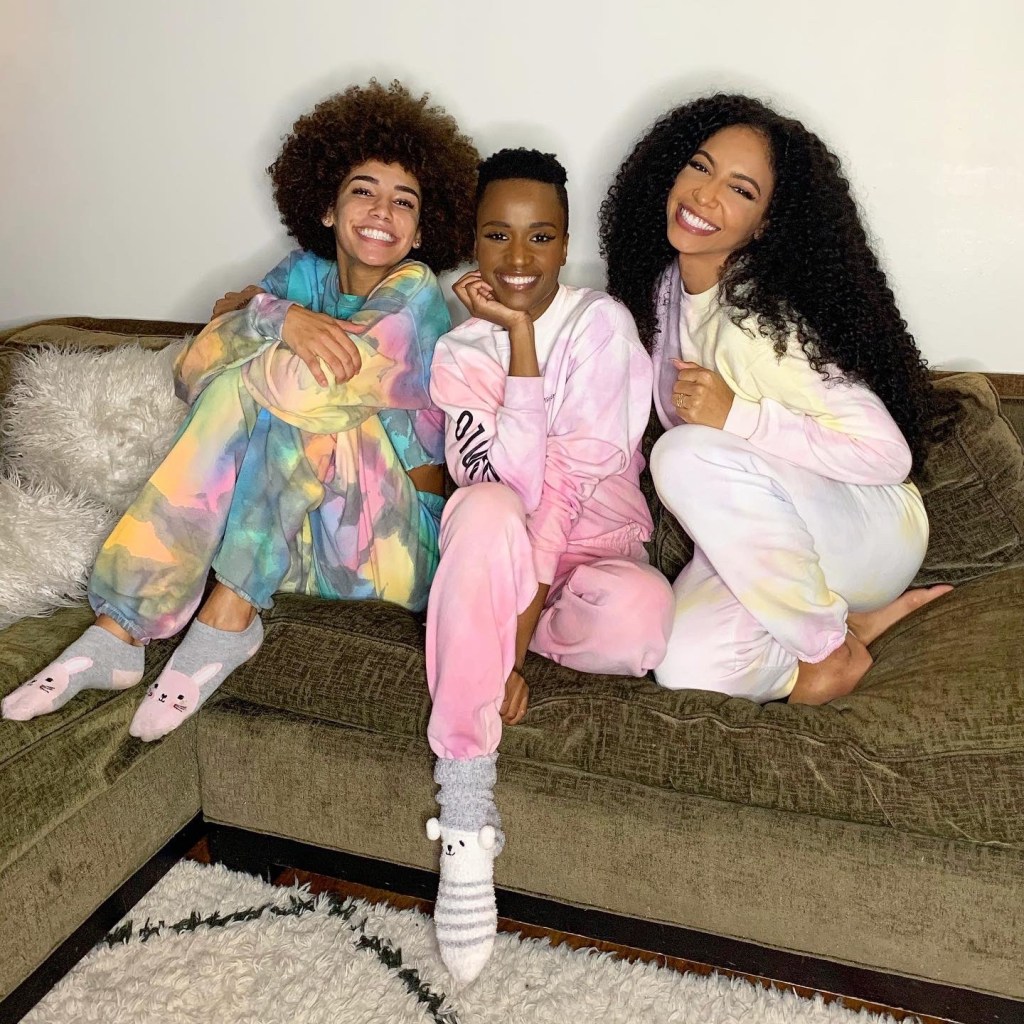
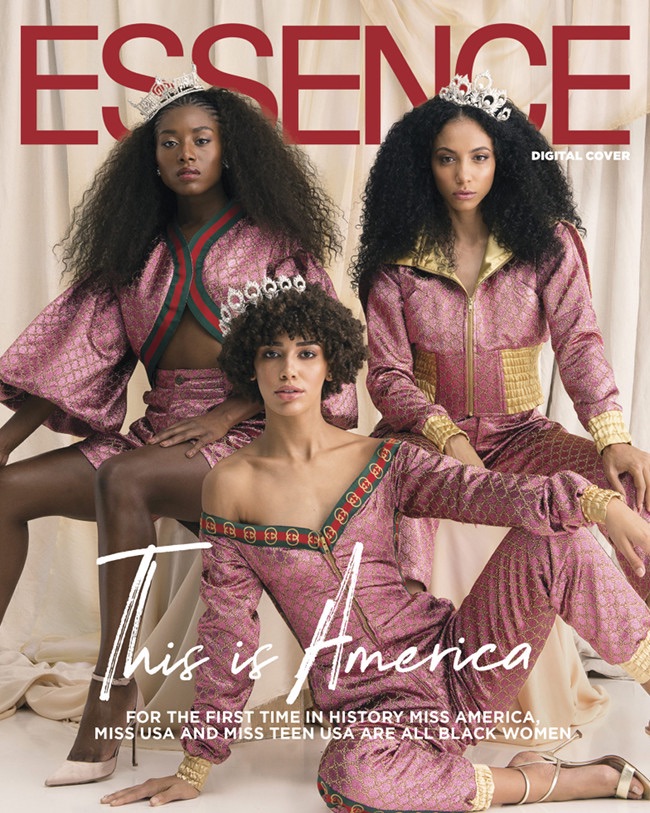
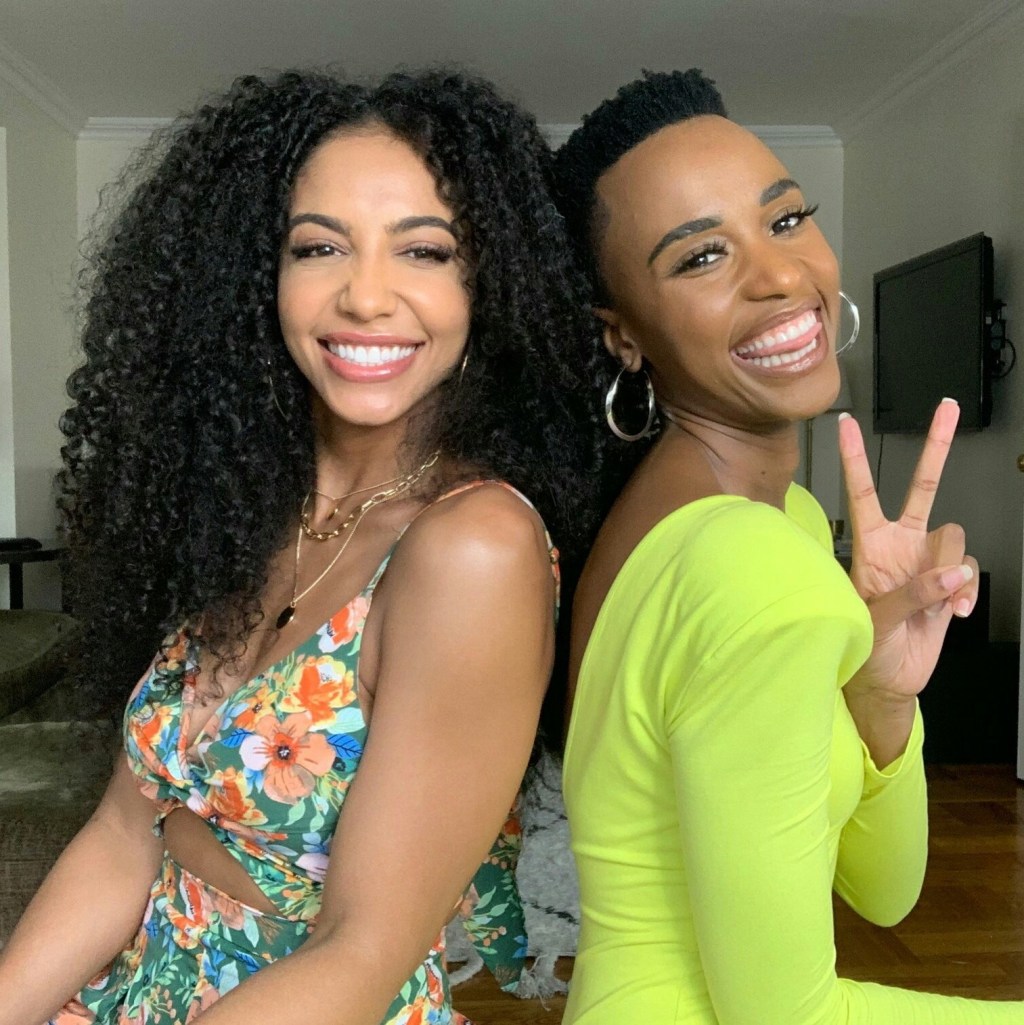
While watching an interview with Kaliegh Garris, Miss Teen USA 2019, about her friendship with Cheslie, I couldn’t help but notice how, even in her pain, she couldn’t stop smiling when talking about Cheslie’s impact. I’ve watched so many of Cheslie’s interviews, especially those where she talks about mental health, and every time it breaks my heart. You can feel the weight of her struggles in some of them. In another interview with Gabriella Devi, they discussed the signs of someone going through a tough time mentally. You could see it in Cheslie’s eyes that she resonated with those symptoms.
What I admire most about Cheslie Kryst’s story is her relentless pursuit of her passions. From her fashion advocacy blog, “White Collar Glam,” (White Collar Glam – Business Attire – Cheslie Kryst) to her legal career, and her writing endeavors, Pageantry, media personality—Cheslie exemplified the courage to pivot when something no longer fulfilled her. The persistence and confidence required to continuously seek what truly resonates with us is remarkable and should not go unmentioned. Art is essential to the healing process; it’s through creativity and self-expression that we break through the darkness. Along with therapy, you’ve got to embark on a journey of self-discovery. Find your outlet for self-expression. I try to encourage and support my wife on prioritizing self-expression just because she puts so much into everyone else, I want her to be able to enjoy herself. Appreciate herself. That’s how TalentTape started for me—I found beauty in appreciating others’ art. Self-expression through art is a powerful tool for personal and collective discovery. It allows individuals to communicate their unique perspectives, emotions, and experiences in a way that transcends verbal language. It fosters creativity, provides an outlet for emotional release, and can bridge cultural and social divides. By embracing self-expression, we not only celebrate our individuality but also contribute to a richer, more diverse cultural landscape that encourages empathy and understanding among people.
Sheryl Lee Ralph’s TED Talk resonates deeply with me. She said, “I do not look like my journey.” This powerful statement about giving oneself permission to take up space and embracing self-worth is a crucial reminder for all of us. Sheryl encouraged us to engage in a meaningful practice of self-love and respect: “Start a meaningful practice of looking in the mirror and loving what you see. Believe in what you see. If you can’t love it, then respect it. If you can’t respect it, then encourage it. If you can’t encourage it, empower it. And if you can’t empower it, at least be kind to it.”
For those struggling with confidence, anxiety, depression, social anxiety, or sleep disorders—I see you. If you’re so eager to achieve your goals that it triggers your own depression, I relate to that too. Know that I’m here for you. Many of us understand what you’re feeling, and we must support and uplift one another.
Be physically strong so you’re not attacked by others and be mentally strong, so you’re not attacked by yourself.’ – David Goggins
Despite Cheslie’s battles, something deep inside her knew she belonged. Her soul recognized her worth and potential, even when her mind wavered. We must connect so deeply with ourselves that even on tough days, we can still achieve what we’re meant to. Embracing our worth is essential; without it, self-doubt can dominate any space we enter. It’s a lesson I am still learning.
I’ve spent countless nights reflecting on the inspiration and power in the voices of Cheslie, Kobe, Nipsey, and Chadwick. Each of you left a legacy of strength, perseverance, and purpose. Cheslie, this is my tribute to you, and I hope it’s not the last time I get to celebrate the light you brought into this world.
Though I never had the chance to meet Cheslie, I will carry her legacy with me, ensuring her story is always honored. To Cheslie Kryst and the Kryst family, thank you for sharing her story with the world. I hope you find the peace you deserve.
Rest in heaven, Cheslie Kryst. I hope the media personality in you enjoyed this writing.
I am a husband, a brother, a son, a father, a friend, and a colleague. And for everyone who filled those roles in Cheslie’s life, my heart goes out to you. I’m reminded of an interview Kobe Bryant did with Jay Shetty where Kobe said, ‘You can be mentored by people who are no longer alive,’ and that statement gives me chills. It applies to Cheslie too. Her story, her light, will live on forever—not just the parts we struggle to accept, but every part of it: her accomplishments, her advocacy, her voice. They will all endure.
To my wife, I’ve probably told you how beautiful you are so many times it may sound watered down now. But I truly feel lucky to have a wife as beautiful as you, and I mean both inside and out—though right now, I’m talking about the beauty that everyone sees. I know looks aren’t everything, but when you are as stunning as you are, I can’t help but talk about it. Baby, I hope you always know this to be true, and if you ever forget, I’ll be here to remind you.
You inspire me, motivate me, and teach me. You are patient with me in ways I can hardly describe, and through everything, you remain my best friend. You’re the person I want to share good or bad news with, the one I want to impress most. You’re so smart, so consistent, so loyal, and so incredibly fine. I want to support and encourage you, to instill confidence in you. I want you to always feel secure in what I’m doing when we’re apart, never worrying about my actions but feeling the peace we’ve built together. I want you to know that everything you’ve endured to reach this love has been worth it. That no man will ever love you like I do, or kiss you like I will.
But to be honest, I haven’t given you all of me yet. It’s not because I don’t want to, and I don’t have every answer as to why, but many days, I still don’t feel worthy of you. Even with all the growth I’ve experienced, I still struggle with my past. That’s why, on some days, I question your desire for me—not because of anything you’ve done but because I’m still learning to be confident in myself. So thank you—for being the wife, the friend, the mother you are. Thank you for your beautiful soul. Ahmani Pegues Washington, I love you.
“Remember that you were art long before he came to admire you, and you’ll continue to be art even when he’s gone. A masterpiece is still a masterpiece even when the lights are off and the room is empty.”










 Wildcard TV
Leave a comment