

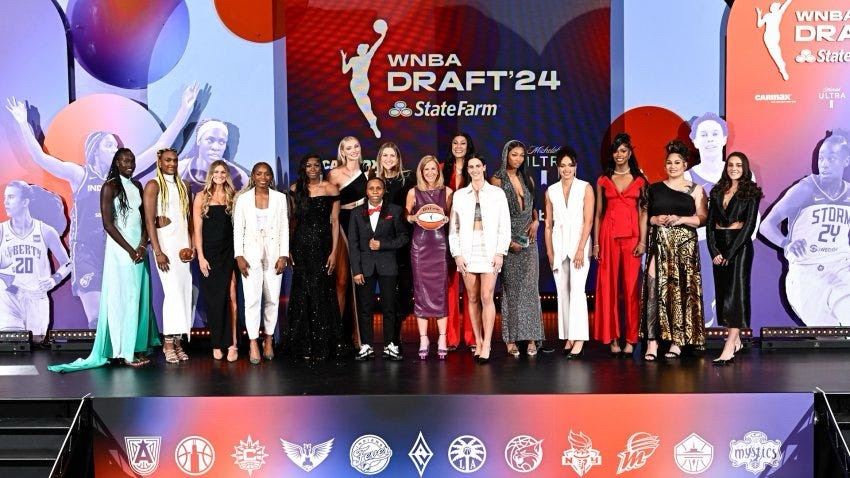
The revival of women’s basketball is undeniable, with the WNBA enjoying an unprecedented surge in popularity and appreciation. Rookies like Cameron Brink with the Los Angeles Sparks or the dynamic duo of Angel Reese and Kamilla Cardoso with the Chicago Sky are capturing the imagination of fans, similar to the huge impact of Caitlin Clark and Aliyah Boston with the Indiana Fever. The star power of the New York Liberty’s big three – Jonquel Jones, Sabrina Ionescu, and Breanna Stewart – further underscores the league’s allure. Let’s not forget the reigning MVP A’ja Wilson alongside her three All-Star teammates Chelsea Gray, Jackie Young, and fan-favorite Kelsey Plum. Their stellar performances not only elevate the level of competition but also contribute to the league’s growing popularity and appeal.
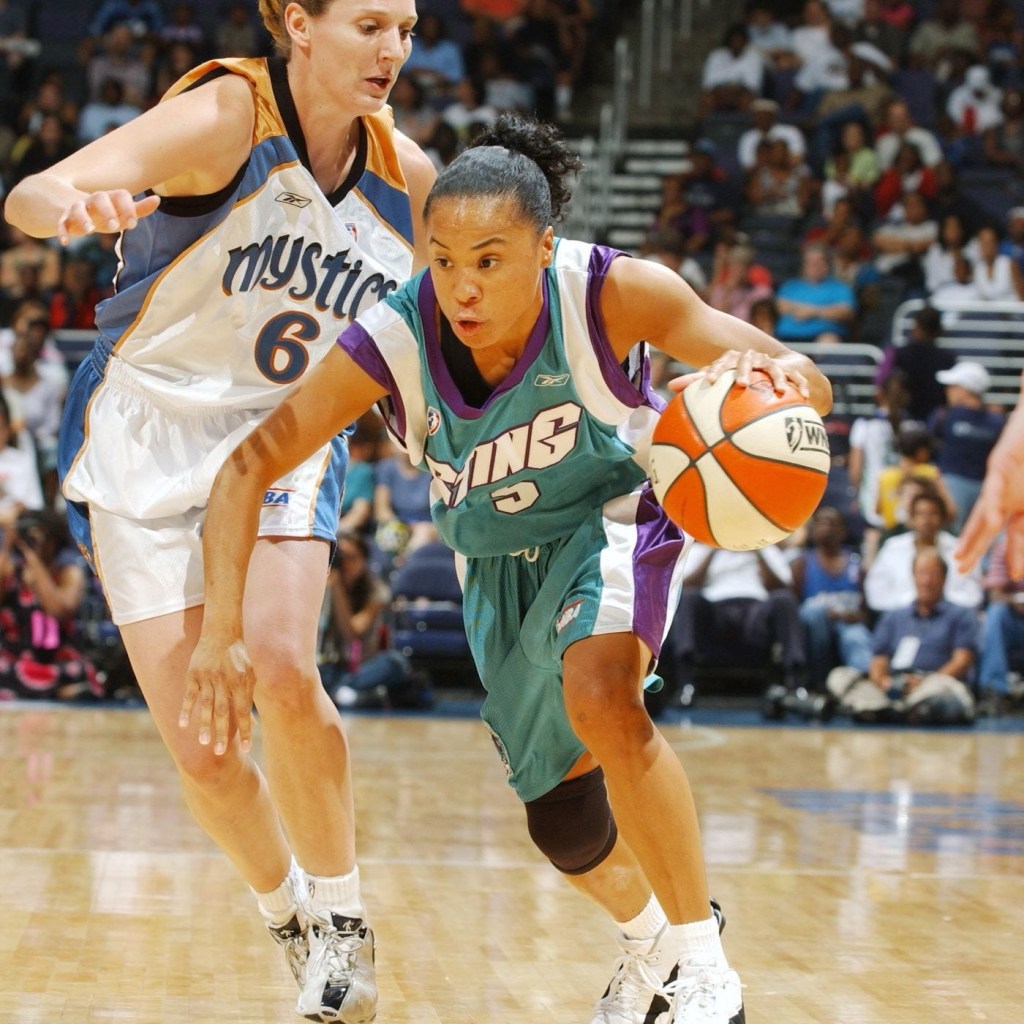
In this vibrant landscape, the prospect of bringing back the Charlotte Sting, or even expanding to Raleigh, the state’s capital, holds considerable promise. The recent expansions, with Toronto securing a team for 2026 and Golden State Valkyrie set to debut in 2025, underscore the WNBA’s growth trajectory. The disbandment of the Sting in 2006 due to financial constraints is not reflective of the current climate, where investments in women’s sports are flourishing.
However, the WNBA’s roster dynamics, where notable rookies and free agents face uncertain futures due to roster cuts, highlight the need for more opportunities within the league. Notable rookies like Gonzaga’s Brynna Maxwell or UCLA’s Charisma Osborne faced being waived ahead of the season, sheds light on the challenges facing aspiring players. Some notable free agents, including one of the most surprising Bria Hartley, along with Brea Beal, Angel Jackson, Morgan Jones, and Kamaria McDaniel, former Rookie of the Year Crystal Dangerfield, as well as prospects like Jaylyn Sherrod, Esmery Martinez, and Destanni Henderson, add to the depth of talent in the league’s pool of available players as teams strive to assemble competitive rosters for the season ahead.
This creates a ripe environment for former NBA players like North Carolina native Chris Paul to transition into roles within WNBA organizations, leveraging their experience and influence to further elevate the league.
Furthermore, the prospect of legends like Dawn Staley returning to Charlotte, not as a player but as a coach, adds an enticing narrative to the potential revival of the Sting. Staley’s legacy with the team, leading in scoring and assists for multiple seasons, coupled with her coaching acumen, would undoubtedly galvanize interest among both new and returning fans.
Additionally, the involvement of sports icons like Venus and Serena Williams, who have expressed interest in investing in sports franchises, further underscores the potential for growth and investment in women’s sports. Their entry into the WNBA ownership realm could provide a significant boost to the league’s profile and viability.
Beyond the realm of sports, the economic impact of a WNBA team can be significant, generating revenue streams from ticket sales, merchandise, and tourism while creating job opportunities within the community. Moreover, a WNBA team fosters community engagement through outreach programs, youth initiatives, and charitable events, solidifying its role as a positive force within the local landscape. In sum, reintroducing the Charlotte Sting or launching a new WNBA team in these growing cities stands to not only bolster the WNBA’s expansion efforts but also enrich the fabric of the community while championing women’s sports. He
By capitalizing on the nostalgia of the Sting’s history while embracing the momentum of the present, a new chapter in women’s basketball could unfold in North Carolina, attracting both new fans and those who fondly remember the Sting’s past glory days. Besides after all, North Carolina is the Hoop State!




 Wildcard TV
Leave a comment